


Canada Offers Second Chance to Israelis and Palestinians Facing Deportation
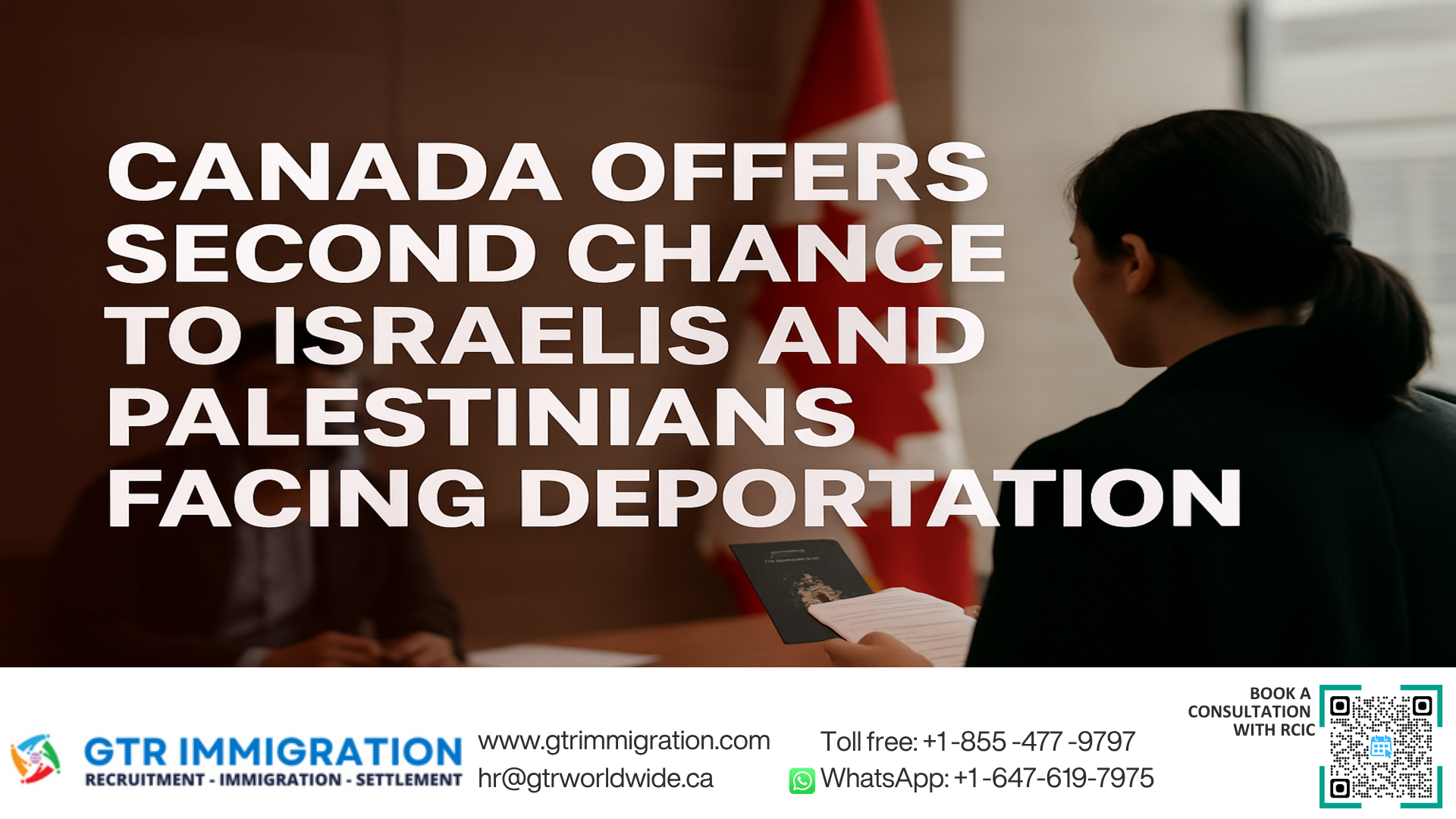
Canada’s PRRA second chance for nationals and former residents of Israel and Palestine: what the September 29, 2026 update means
Immediate overview — what changed and why it matters
On September 29, 2026, the Government of Canada announced a one‑time opportunity for nationals and former residents of Israel and Palestine who previously lost protection claims in Canada. People who received a final negative decision on an asylum claim, a pre‑removal risk assessment (PRRA), or a Federal Court decision between September 28, 2025 and September 29, 2026 may now apply for a PRRA again. If found eligible, they can be granted protected person status and may later seek permanent residence. The change reopens a pathway that would normally be blocked by the usual 12‑month “blackout” after a refused protection claim.
Why this update was needed: PRRAs and the blackout rule
A PRRA is normally a last‑resort administrative procedure for people facing an enforceable removal order. Under usual rules, someone with a final negative decision on an asylum claim or prior PRRA cannot file a new PRRA for 12 months. The government’s announcement creates a narrow exception for final negative decisions dated between Sept 28, 2025 and Sept 29, 2026. Decisions issued after Sept 29, 2026 are not covered.
How the policy works in practice
– Eligibility is strictly time‑bound: only final negative decisions within the one‑year window qualify.
– The application route remains the PRRA: affected people should follow the instructions on the federal government website. The legal test for protection is unchanged — the announcement reopens the procedural window only.
– Enforcement and timing rules still apply: in most cases a PRRA can be submitted only while an enforceable removal order is in effect and after Canada Border Services Agency (CBSA) has informed the individual of their ability to apply.
– Outcomes are consequential: a successful PRRA can lead to protected person status and a later pathway to permanent residence; a refused PRRA generally results in removal and usually no further stay of the removal order.
Who this affects
Directly affected:
– Nationals or former residents of Israel or Palestine who received a final negative decision on an asylum claim between Sept 28, 2025 and Sept 29, 2026.
– People with a final negative PRRA decision within that same period.
– Individuals who received a final negative Federal Court decision during those dates.
Indirectly affected:
– Family members whose status depends on the principal claimant.
– Employers, schools, and community sponsors dealing with affected individuals.
– Settlement organizations and service providers assisting people subject to removal.
Practical implications for applicants facing removal
– Act promptly if your final negative decision falls within the specified dates.
– The PRRA evidentiary and legal standards remain the same: applicants must show risk of persecution, torture, or threat to life.
– Be prepared for the possibility of refusal; a negative PRRA decision generally requires departure from Canada.
– If successful, protected person status can open the usual route to permanent residence, but PR is not automatic.
What applicants should do next
– Verify the date of your final negative decision — the opportunity applies only to decisions dated between Sept 28, 2025 and Sept 29, 2026.
– Follow the federal government’s PRRA application instructions exactly.
– Check whether you are subject to an enforceable removal order and whether CBSA has notified you of your ability to apply.
– Gather evidence showing why return would expose you to persecution, torture, or risk to life, and document any changes in circumstances since your original decision.
– Consider seeking help from a qualified immigration practitioner or legal adviser for evidence, eligibility, and procedural guidance.
Legal and procedural limits to keep in mind
– The measure is retrospective and limited to a one‑year window; it does not permanently change PRRA policy.
– Decisions issued after Sept 29, 2026 are excluded.
– CBSA’s role and the requirement to be subject to an enforceable removal order in most cases remain unchanged.
Questions applicants should expect to answer in a PRRA
– Why would return to the country of removal expose you to persecution, torture, or death?
– How do current country conditions affect your personal circumstances?
– Have circumstances changed since your original negative decision?
Final practical reminders
– Only act if your final negative decision falls within Sept 28, 2025 — Sept 29, 2026.
– Follow federal PRRA instructions closely.
– A successful PRRA can lead to protected person status and a possible path to permanent residence; a refusal normally triggers removal obligations.
– PRRAs are usually available only when a removal order is enforceable and after CBSA notification.
– Consider professional advice to manage evidence, deadlines, and procedures.
🚀 Start Your Canada Immigration, Jobs & Settlement Journey Today
Need help with Express Entry, PNP, LMIA, Work Permit, Study Permit, Visitor Visa, Family Sponsorship, Canada Jobs, Recruitment, or Settlement guidance? Book a paid consultant: https://gtrworldwide.zohobookings.com/#/greentechresourcesworldwidecanadawebsite
📱 WhatsApp / Call: +1 647 619 7975 / + 1 639 560 3180
🌐 Website: www.gtrimmigration.com
💼 Canada Job Site: www.ciccanadajobs.com
📊 Job Analytics & Labour Market Insights: www.jobmaze.ca
🔗 LinkedIn: www.linkedin.com/in/manojcanada
📘 Facebook: https://www.facebook.com/gtrimmigrationcanada
▶️ YouTube: https://www.youtube.com/@GTRImmigration
📸 Instagram: https://www.instagram.com/gtr_immigration
#CanadaImmigration #PRRA #ProtectedPerson #RefugeeLaw #ImmigrationUpdate #IsraelPalestine #RemovalOrders #ImmigrationAdvice