


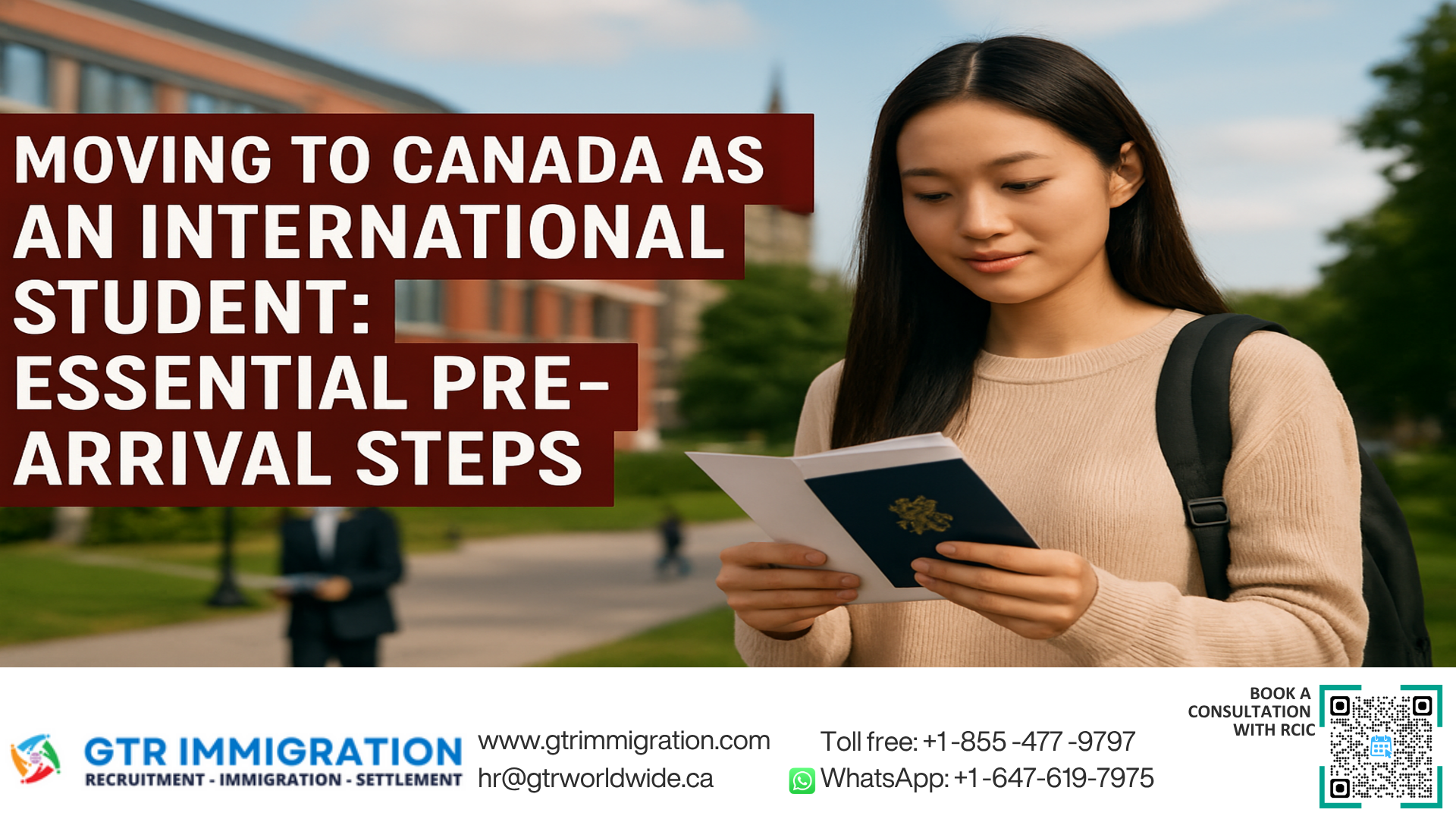
Moving to Canada as an International Student: Essential Pre-Arrival Steps
Canada Study Permit and Arrival Checklist for International Students: A Practical Immigration Analysis
Moving to Canada as an international student requires more than choosing a school and booking a flight. This post breaks down a practical pre-departure checklist — acceptance from a Designated Learning Institution (DLI), study permit application, document organization, health insurance, housing, finances and banking, and everyday-life preparation — and explains why each item matters, who is most affected, and what to watch for before you arrive.
Why this pre-departure checklist matters right now
Securing your letter of acceptance and a study permit are the primary steps to study in Canada. The other items on this checklist help ensure a smoother arrival and settlement. Missing or delaying any step can cause problems at the port of entry, financial strain, or gaps in access to healthcare and housing. Knowing why each requirement exists helps you prioritise tasks and avoid last-minute surprises.
How acceptance at a DLI and the study permit requirement shape your timeline
A valid letter of acceptance from a Designated Learning Institution (DLI) is usually the first formal document you need to apply for a study permit. Study permits are generally required for programs longer than six months.
Why this matters:
– The acceptance letter is primary evidence of your intent to study and is often requested during permit processing and at entry.
– Applying early gives you time to gather supporting documents and respond to any additional information requests.
– Authorities may ask for documents that show your identity, intended program, and financial capacity.
Practical tip: Keep multiple secure copies (paper and digital) of your acceptance letter and follow your DLI’s instructions for permit-related documents.
Organizing travel and immigration documents: what to include and why
A clear document checklist reduces stress during travel and simplifies interactions with border and school officials. Common items include:
– Letter of acceptance from your DLI
– Valid passport or travel document
– Study permit approval documents (or proof of application where applicable)
– Guaranteed Investment Certificate (GIC) confirmation, if required
– Proof of funds and financial records
– Health insurance details and any required medical records
– Vaccination records, if required
Why keep both paper and digital copies:
– Paper copies are often needed at entry and when setting up services (housing, banking).
– Secure digital copies (cloud storage or encrypted device storage) are helpful if physical documents are lost or stolen.
Security note: Only provide personal information through verified official channels. Scams targeting immigration, housing, and banking are common — verify requests before sharing sensitive documents.
Health insurance choices vary across provinces — plan accordingly
Health coverage for international students differs by province and territory. Some places offer public health coverage to international students; others require private or school-provided plans.
What to check:
– Whether your destination province extends public coverage to international students.
– If not, review private insurance options or plans offered by your school.
– Which services are covered and whether there are waiting periods or exclusions.
Practical consequence: Securing appropriate coverage before or immediately after arrival reduces the risk of unexpected medical bills.
Housing decisions before arrival: matching options to priorities
Housing is a major non-tuition expense and affects how quickly you settle in. Options include student residences, shared apartments, and private rentals.
Key factors:
– Cost versus convenience: residences may include utilities and be close to campus; private rentals can have lower monthly rent but more responsibilities.
– Location and transportation: proximity to campus and transit affects daily commuting costs.
– Lease terms and move-in timing: understand deposits, references, and contract start dates.
Practical advice: Research housing before you travel to avoid costly short-term accommodation. When securing housing remotely, verify listings and avoid sending money without confirmed documentation.
Financing studies and demonstrating funds: planning and proof
A financial plan helps you manage tuition and living costs and supports immigration requirements that ask for proof of funds.
Include in your planning:
– Estimates for tuition, housing, transportation, food, books, and personal spending.
– Evidence of funds; a GIC is one example some students use to show available cash.
– An emergency buffer for initial costs like deposits and first-month expenses.
Why this matters: Immigration authorities may request proof that you can support yourself during your studies. Preparing funds in advance reduces stress on arrival.
Opening a Canadian bank account: timing and priorities
A Canadian bank account simplifies transactions and reduces foreign fees. Many banks offer student accounts and newcomer services.
What to compare:
– Monthly fees and transaction limits
– Digital banking options and mobile apps
– ATM access and associated fees
– Any newcomer or student-specific services
Practical tip: If pre-arrival account opening is available, consider it so funds are accessible quickly. Otherwise, bring documents required to open an account (passport, acceptance letter, permit paperwork, proof of address if possible).
Preparing for everyday life: community, climate, and campus services
Settling in involves more than documents. Learn about local transportation, seasonal weather, cultural norms, and campus supports to reduce culture shock.
Areas to investigate:
– Local transit options and fares
– Weather and appropriate clothing
– Pre-arrival resources from your school (orientation, housing lists, peer programs)
– Ways to connect with current students for practical, local advice
Why this matters: Practical day-to-day planning lowers initial friction and helps you focus on academics.
Who is most affected by these pre-departure steps
Certain groups should prioritise specific steps:
– Students enrolled in programs longer than six months — study permits are typically required.
– Applicants who must demonstrate proof of funds — GICs and detailed financial documents may be necessary.
– Students going to provinces where public health coverage is not available to internationals — arrange private or school plans in advance.
– Those without local contacts or prior travel experience — early planning for housing and banking reduces vulnerability.
Practical prioritisation
– First: Accept your offer from a DLI and secure the official acceptance letter.
– Second: Prepare and submit your study permit application with full supporting documents as early as possible.
– Third: Organise critical documents (passport, acceptance letter, proof of funds, vaccination records, health insurance) and store secure copies.
– Immediately after permit submission: arrange health coverage, housing, and initial finances; plan for opening a Canadian bank account.
Common pitfalls to avoid
– Leaving study permit applications or proof-of-funds arrangements to the last minute.
– Relying only on paper copies or keeping all originals together while travelling.
– Assuming health coverage is the same across all provinces — check your destination’s rules.
– Sending money or sharing information with unverified contacts for housing or banking.
What to verify before departure
– Confirm the documents your DLI or immigration authorities expect at entry and during the permit process.
– Verify health insurance eligibility and coverage details for your province or territory.
– Double-check financial proof requirements and whether a GIC is appropriate for your situation.
– Protect against scams by confirming contact details and payment instructions through official school portals or government resources.
Final practical checklist to carry with you
Before you travel, ensure you have:
– Original acceptance letter and extra copies
– Valid passport and travel documentation
– Study permit approval documents or confirmation
– Proof of funds and GIC confirmation if applicable
– Health insurance documentation and medical records
– Housing confirmation or a short-term plan until long-term housing is secured
– Banking documents required to open an account (if available)
– Secure digital backups of all critical documents
Prepare early, keep documents organised, and verify requirements specific to your destination province and school. That approach will reduce stress on arrival and help you focus on academic and settlement priorities.
🚀 Start Your Canada Immigration, Jobs & Settlement Journey Today
Need help with Express Entry, PNP, LMIA, Work Permit, Study Permit, Visitor Visa, Family Sponsorship, Canada Jobs, Recruitment, or Settlement guidance? Book a paid consultant: https://gtrworldwide.zohobookings.com/#/greentechresourcesworldwidecanadawebsite
📱 WhatsApp / Call: +1 647 619 7975 / + 1 639 560 3180
🌐 Website: www.gtrimmigration.com
💼 Canada Job Site: www.ciccanadajobs.com
📊 Job Analytics & Labour Market Insights: www.jobmaze.ca
🔗 LinkedIn: www.linkedin.com/in/manojcanada
📘 Facebook: https://www.facebook.com/gtrimmigrationcanada
▶️ YouTube: https://www.youtube.com/@GTRImmigration
📸 Instagram: https://www.instagram.com/gtr_immigration
#CanadaStudyPermit #InternationalStudents #StudyInCanada #StudentChecklist #CanadaImmigration #PreDepartureTips #StudentBanking